Supreme Court to Address Legality of Removing Immigrants to Third Countries Without Due Process
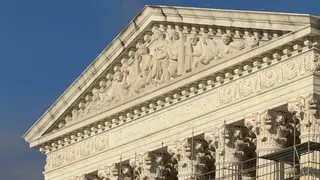
The Supreme Court has granted the Trump administration's request to pause a lower court order blocking the government from deporting noncitizens to countries other than their home nations without first allowing them to challenge risks of persecution or torture. The Court announced it will hear oral arguments in December on whether third-country removals are lawful and whether district courts have authority to issue class-wide relief in such disputes. The case tests the administration's immigration enforcement practices against constitutional protections for noncitizens facing potential harm.
The Supreme Court's decision to temporarily lift restrictions on third-country deportations represents a significant development in immigration enforcement authority. The underlying dispute centers on whether federal officials can transfer noncitizens to nations other than their countries of origin as part of removal proceedings. A lower court had blocked this practice, requiring the government to provide individuals an opportunity to demonstrate potential risks of harm, such as persecution based on protected characteristics or exposure to torture.
The justices will examine two fundamental questions when they take up the case in December: whether third-country removals are legally permissible under existing statutes and constitutional protections, and whether district courts possess the jurisdiction to address such matters on a class-wide basis affecting multiple affected individuals.
The case's outcome could substantially affect how federal immigration authorities conduct deportation operations and the procedural safeguards available to noncitizens facing removal. A ruling upholding third-country removals may expand executive flexibility in enforcement, while a decision affirming lower court authority could strengthen protections for vulnerable populations. The case may also reshape the balance between executive power in immigration matters and judicial oversight of potential constitutional violations.