Trump Justifies Government-Funded Campaign Ads as Country Promotion Rather Than Self-Promotion
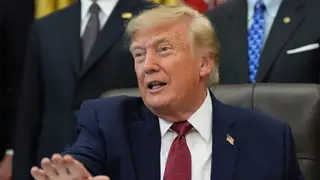
President Trump defended campaign advertisements funded by taxpayer money through a Customs and Border Protection contract, claiming they promote the nation rather than his own political interests. The $20 million media campaign has drawn criticism from both Republican and Democratic lawmakers who argue it may violate federal anti-propaganda laws and constitute misuse of public funds. Trump stated he would reimburse the government if officials determined the spending was improper, characterizing the ads as promoting the country's spirit.
The controversy centers on a $20 million advertising contract awarded to Customs and Border Protection that funded campaign spots now running nationwide. Trump's defense rests on a distinction between promoting his candidacy and promoting national interests, though he acknowledged potential willingness to repay funds if determined improper. The timing—the contract's award occurring days before the ads launched—raised additional scrutiny about the procurement process.
Legal concerns involve potential violations of federal statutes restricting government use of resources for political purposes. The criticism spans both parties, with prominent Republicans like Senate Majority Leader John Thune acknowledging the messaging quality while opposing its taxpayer funding, suggesting bipartisan concern about the propriety of the arrangement regardless of political affiliation.
The incident could influence ongoing debates about executive branch spending authority and oversight mechanisms. Citizens and lawmakers may evaluate whether existing restrictions on government-funded political communication require stronger enforcement or clearer definitions. The outcome could affect how future administrations navigate promotional campaigns, potentially shaping precedent for distinguishing between legitimate public advocacy and prohibited partisan activity. The cross-party criticism suggests the issue transcends typical partisan divisions.