Defense Secretary Announces 20% Reduction in Military Senior Officer Ranks
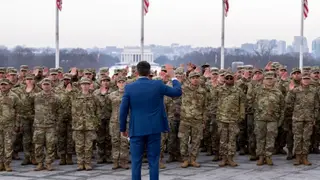
Defense Secretary Pete Hegseth announced a 20% reduction in the Pentagon's generals and admirals as part of efforts to reshape military leadership and eliminate what he termed "woke" culture. The cuts have disproportionately affected women and minority officers, drawing criticism from lawmakers and former military officials who contend the personnel actions constitute politicization of the officer corps. Hegseth characterized the reductions as necessary accountability measures, while his broader address gave limited attention to the costly seven-month Iran war and instead blamed negative military perceptions on media coverage.
The Defense Secretary's initiative represents a significant restructuring of the military's command structure. The reductions target both the number of active officers holding general and admiral ranks as well as the total positions available within the senior leadership tier. Hegseth's framing emphasizes streamlining efficiency and improving decision-making authority at lower command levels through elimination of redundant oversight positions.
The personnel selections have sparked substantial concern among legislative and defense establishment figures. Data from recent promotion reviews shows a notable concentration of removals among female officers and officers from underrepresented racial backgrounds compared to baseline demographic representation in the officer corps. These patterns have prompted formal objections regarding whether selection criteria are being applied consistently across demographic groups.
These personnel actions may reshape military leadership composition and decision-making processes across the armed services. The policy could affect recruitment and retention of officers from underrepresented groups, potentially influencing the military's demographic diversity. Institutional observers suggest the changes may impact organizational culture and morale among mid-level commanders. Congressional oversight bodies may face pressure to examine whether personnel decisions align with federal anti-discrimination standards and merit-based advancement principles. The broader implications for military readiness and officer corps stability remain subjects of active debate among defense analysts and policymakers.