Renewable energy generation shields UK from costly gas imports during Middle East tensions
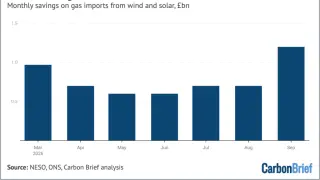
Record wind and solar generation across the UK has eliminated the need for approximately £5.9 billion in gas imports since February 2026, when tensions in the Hormuz Strait escalated into armed conflict. Renewables now account for 41% of UK electricity generation in 2026, compared to just 25% from gas, reducing reliance on liquefied natural gas shipments by over 100 tanker deliveries. This renewable output comes as global gas prices have reached their highest levels since 2022, driven by geopolitical instability and approaching winter demand.
The UK's renewable energy infrastructure has delivered substantial economic protection during a period of severe global energy market disruption. Wind and solar capacity expansions have enabled the nation to replace what would have required over 100 liquefied natural gas shipments, demonstrating the strategic value of domestic clean energy generation. The contrast between electricity and gas price movements illustrates how renewable sources insulate consumers from international commodity volatility.
The timing of this renewable surge coincides with a confluence of supply pressures affecting fossil fuels worldwide. European storage levels remain constrained, forcing competition with Asia for limited LNG supplies as winter approaches. Meanwhile, diesel and oil prices have also climbed sharply, extending cost pressures across transport and heating sectors beyond electricity markets alone.
This renewable energy performance may significantly benefit UK households by moderating electricity costs while gas prices remain elevated, potentially widening the financial gap between these heating methods. Conversely, those dependent on gas for heating could face disproportionate bill increases. Broader economic impacts may include competitive advantages for electricity-intensive industries and sectors like electric vehicle manufacturing, though fossil fuel-dependent industries could experience higher operating costs, affecting employment patterns and regional economies differentially across the country.