Texas Grid Meets Record Heat Demand With Clean Energy and Batteries
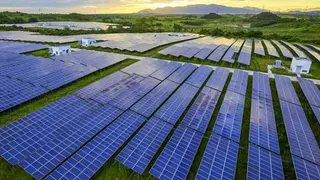
During summer 2026, Texas set new electricity demand records repeatedly, including an ERCOT peak of 91.1 GW on July 22. Unlike the 2023 heat waves, the grid avoided blackouts and conservation appeals, aided by solar, wind, and battery storage. The article also notes that Texas lawmakers attempted SB 715, which would have mandated thermal backup generation for renewable projects.
Texas entered summer 2026 after an earlier 85.5 GW record set three years before. That mark fell 45 times, and ERCOT logged a 91.1 GW peak on July 22. Houston’s first 100-degree day arrived August 20, yet the grid stayed above its 2023 performance level for seven hours.
Unlike 2023, no outages or conservation calls occurred, and batteries could still charge during peak demand. Texas lawmakers considered SB 715, which would have required thermal backup for renewable projects. Separately, solar ranked first in one career-outlook analysis, while federal data projected 37% growth for photovoltaic installers through 2035.
The Texas outcome may reassure households and businesses that extreme heat can be met without outages, potentially strengthening public confidence in solar, wind, and storage. It could also shape debates over backup-generation rules, affecting renewable developers, ratepayers, and conventional power providers. Growing solar employment may create new opportunities for workers, while large projects such as Colorado’s could bring local economic activity alongside land-use concerns. These effects remain uncertain and depend on future weather, policy, and market conditions.