Bitcoin Consolidates Gains Amid Softening Rate-Hike Expectations
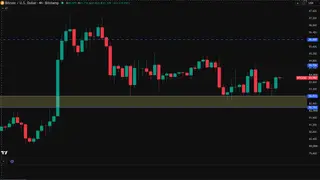
Bitcoin traded in a narrow range between $83,700 and $83,900 on September 30, 2026, as macroeconomic repricing continued following declining odds of a Fed rate increase in October. Spot ETFs maintained their streak of inflows while futures markets deleveraged to year lows, indicating a cleaner market structure. Federal Reserve officials signaled a more cautious approach to further rate hikes, supporting risk assets and providing a foundation for Bitcoin's price stability.
The cryptocurrency market is responding to shifting expectations around U.S. monetary policy. Recent economic data showing weaker job creation and declining consumer confidence have reduced the probability that the Federal Reserve will raise interest rates again in October, moving from roughly three-in-four odds down to roughly even odds. This repricing of rate expectations typically benefits risk assets like Bitcoin, which tend to perform better in lower-rate environments.
Institutional participation remains a stabilizing force in the market. Investment products tracking Bitcoin spot prices have recorded nine consecutive days of capital inflows, suggesting sustained demand from professional investors despite the recent price pullback from resistance levels. Meanwhile, the leveraged futures market has reduced speculative positioning to the lowest point in a year, indicating a healthier underlying market structure with less vulnerable positioning.
Bitcoin's consolidation amid softer monetary policy signals could affect multiple constituencies. Institutional investors and financial advisors may view reduced rate-hike odds as supportive for their cryptocurrency allocations. Retail investors could experience reduced volatility if leveraged speculation continues declining. Policymakers may monitor cryptocurrency price movements as one indicator of financial risk appetite and market expectations around their decisions. The interaction between Fed communications and digital asset valuations underscores how macroeconomic policy transmission now extends across asset classes once considered disconnected from traditional finance.