How Colleen Hoover's 'Verity' Adaptation Changes the Source Material
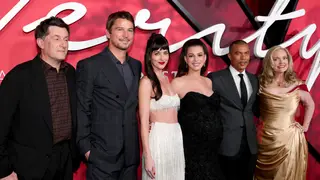
The film adaptation of Colleen Hoover's psychological thriller 'Verity' brings the bestselling novel to the screen with notable alterations from the book. Not all elements from the original story made it into the movie version. The article compares key differences between the two versions.
Colleen Hoover's "Verity" represents one of the author's most popular psychological thrillers, and its transition to film demonstrates how literary adaptations often require creative restructuring for cinematic storytelling. The movie version makes deliberate choices about which narrative elements to retain, modify, or omit compared to the source material. These adjustments reflect the different demands of visual media versus prose fiction.
Adaptations of bestselling novels frequently encounter questions about fidelity to original content. Filmmakers must balance honoring what made the book successful while crafting a story that functions effectively on screen. The specific alterations in the "Verity" adaptation illustrate how source material evolves through the production process.
The adaptation may influence how existing fans experience the story in a new format, potentially sparking discussions about preferred versions. Conversely, the film could introduce the narrative to audiences unfamiliar with Hoover's work, expanding the property's cultural reach. Such comparisons between book and film adaptations commonly shape viewer expectations and engagement with entertainment properties across multiple media platforms.