White House Excludes CNN from Presidential Press Pool Despite Court Order
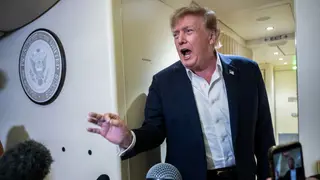
The Trump administration removed CNN from the press pool covering the president's trip to Texas and Oklahoma, continuing its effort to restrict the network's access despite a federal judge blocking a broader ban on CNN, MS NOW, and Politico from the White House. This marks the second recent instance of CNN being barred from traveling with the president, following a similar exclusion from an Air Force One flight the previous weekend. The action escalates tensions between the White House and the media outlets, which have challenged the restrictions as unconstitutional violations of press freedom.
The Trump administration's decision to exclude CNN from covering the presidential visit to Texas and Oklahoma represents an ongoing pattern of access restrictions targeting specific news organizations. This exclusion occurs despite a federal court's recent intervention that temporarily halted a broader White House effort to ban CNN, MS NOW, and Politico from accessing the grounds of the executive residence. The distinction is significant: while the judge's order specifically addressed White House grounds access, the current removal applies to traveling press pool coverage, suggesting the administration is using alternative mechanisms to achieve similar restrictions.
The press pool system operates as a shared arrangement where designated media outlets provide coverage on behalf of the broader journalism community, reducing costs while ensuring public access to presidential activities. CNN's second removal in as many weeks from scheduled pool positions—previously barred from an Air Force One flight to Tennessee—indicates deliberate, sequential action rather than isolated incidents. This escalation occurs amid active litigation between the affected outlets and the administration over press freedom protections.
The ongoing dispute between the White House and these news organizations could establish significant precedent regarding executive power over press access and First Amendment protections. Media access restrictions may affect the public's ability to receive diverse reporting on presidential activities and decision-making. The tension between executive privilege and press freedom rights could influence how future administrations manage journalist credentials. Additionally, the pattern of restrictions might prompt broader media industry responses and could impact journalistic accountability mechanisms, though the ultimate legal and practical consequences remain uncertain pending court decisions.