Tennessee Execution Appears to Encounter Complications as Death Row Inmate Remains Alive After Drug Administration
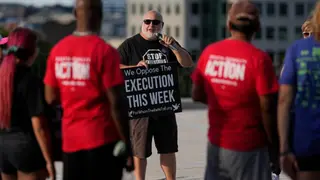
Federal public defenders for Tennessee death row inmate Christa Pike filed an emergency motion claiming she remained alive after being administered lethal injection drugs, alleging the execution caused unnecessary suffering in violation of constitutional protections against cruel and unusual punishment. Pike was convicted in 1996 for the murder of a fellow Jobs Corps worker and has been on death row for three decades; her legal team has argued her youth at the time of the crime and history of severe childhood trauma should have been considered more heavily during sentencing. The U.S. Supreme Court ultimately allowed the execution to proceed after initially pausing it, though three liberal justices dissented from the decision.
Christa Pike's case has drawn significant attention due to her status as Tennessee's sole female death row inmate and the circumstances surrounding her 1996 conviction. At 18 years old, Pike participated in the fatal assault of a coworker at a Jobs Corps facility, an incident her legal representatives have argued warrants consideration of her youth and documented trauma history during sentencing proceedings. Her co-perpetrator received a life sentence rather than capital punishment because he was a minor at the time of the offense.
Pike's execution complications raise broader questions about execution protocols and their implementation. The Wednesday incident, wherein she reportedly remained conscious after drug administration, prompted her attorneys to invoke constitutional protections against cruel and unusual punishment. The Supreme Court's decision to override a circuit court pause—despite three justices' objections—underscores ongoing judicial disagreement regarding death penalty procedures and appellate review standards.
The apparent execution difficulties could significantly influence ongoing debates surrounding capital punishment methodology and oversight. Death penalty opponents may cite the incident as evidence supporting their arguments for abolition or reform, while proponents of capital punishment may demand procedural improvements. Legal scholars and appellate courts could face increased pressure to clarify standards governing execution protocols and the constitutional threshold for halting proceedings. Such cases may also affect how courts weigh mitigating factors—including age and trauma history—during capital sentencing decisions going forward.