Rural Maine Voters Weigh Economic Concerns in Competitive Senate Race Between Collins and Jackson
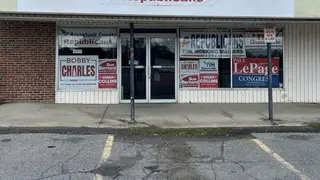
Maine's Senate race between Republican incumbent Susan Collins and Democratic challenger Troy Jackson has put rural Aroostook County in the spotlight, with voters expressing concerns about heating oil prices, gas costs, and Canadian tariffs affecting the region. Both candidates are facing enthusiasm challenges in what polls indicate is a highly competitive toss-up race, with rural voter turnout potentially deciding the outcome. The race reflects broader economic anxieties among blue-collar rural voters as Democrats gain momentum heading into the midterm elections.
Aroostook County's political leanings have shifted considerably in recent election cycles, first backing Barack Obama in 2012 before supporting Donald Trump four years later. This volatile voting pattern suggests the county could prove decisive in the current Senate matchup. Both candidates maintain deep roots in the region, with Collins representing the larger town of Caribou and Jackson hailing from Fort Kent further north, giving them each geographic and personal advantages in appealing to local voters.
Economic pressures dominating voter concerns include volatile fuel costs and potential tariff impacts from neighboring Canada, issues that disproportionately affect rural communities dependent on automobiles and heating oil. The Democratic campaign has specifically linked these hardships to foreign policy decisions, while Republicans characterize price fluctuations as temporary market adjustments rather than systemic policy failures.
The outcome of this Senate race may influence how both parties approach messaging to rural, blue-collar constituencies in future elections. Rural voter turnout levels could determine which candidate prevails, potentially signaling whether Democrats can maintain momentum in regions historically trending Republican, or whether Republicans can mobilize their base despite economic headwinds. The race's competitiveness suggests rural economic anxiety may reshape electoral coalitions in similar regions nationwide.