Trump's Campaign Visits to Traditionally Safe Republican States Signal Potential Electoral Vulnerabilities
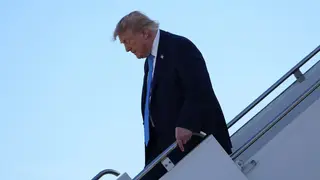
President Trump is conducting campaign stops in multiple states including traditionally Republican strongholds Oklahoma and Alabama alongside competitive swing states Ohio and Texas, prompting concern among Republican strategists about the party's midterm prospects. The visits to states once considered safely red have raised questions about whether GOP-held seats face unexpected challenges heading into the November midterm elections. Republicans defending the tour argue it aims to replicate the party's 2024 presidential turnout, though recent polling suggests voter dissatisfaction with Trump's policies may threaten previously secure Republican seats.
Trump's campaign schedule includes visits to states traditionally considered secure for Republicans, alongside competitive battlegrounds. The itinerary encompasses Alabama, Oklahoma, Nebraska, Texas, and Ohio. Republican officials justify the tour as an effort to maximize voter turnout comparable to the 2024 presidential election cycle. However, data analysts suggest that campaign resource allocation typically indicates electoral vulnerability, raising questions about whether these states remain as reliably Republican as historical patterns suggest.
The Alabama stop targets a House district that was redrawn to favor Republican candidates, while the Oklahoma gubernatorial race between the Trump-endorsed candidate and the Democratic opponent shows signs of tighter competition than Cook Political Report's assessment indicates. Trump has committed to visiting 35 competitive races across 30 days, though some party figures believe these resources might be better directed toward Senate contests in North Carolina, Iowa, and Texas.
This electoral dynamic could affect how resources flow within the Republican Party and influence voter mobilization strategies heading into the midterm cycle. Independent voters in traditionally safe districts may find their preferences suddenly courted by both parties, potentially altering local political engagement. If competitive conditions in former strongholds materialize, it could reshape congressional representation across multiple districts and impact the balance of legislative power, affecting voters' access to representation aligned with their interests.