Justices to weigh whether climate damage lawsuits against oil companies can proceed
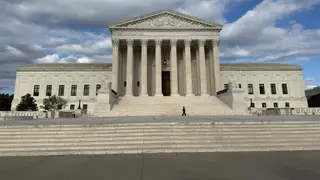
The Supreme Court will hear arguments in Suncor Energy Inc. v. County Commissioners of Boulder County, a landmark case examining whether Colorado's climate liability lawsuit against major energy producers is barred by federal law. Boulder County seeks compensation for climate-related damages, while energy companies argue the suit amounts to an illegal carbon tax that could devastate the industry. The decision could determine the fate of dozens of similar climate litigation cases pending across the country.
Boulder County initiated its 2018 lawsuit to recover expenditures incurred protecting residents and infrastructure from climate-related harms. The defendants—Suncor, which operates Colorado's two oil refineries, and ExxonMobil—disputed Boulder's claims that they deceived the public about fossil fuels' climate effects and bore responsibility for producing and marketing those products. After the trial court rejected dismissal, the energy companies appealed to Colorado's highest court, which ultimately sided with them, determining Boulder's state-law claims were preempted by federal law.
The Supreme Court's intervention required resolving a procedural question: whether it possessed jurisdiction to review the case at all. The energy companies argued the Colorado Supreme Court's decision qualified as a final judgment reviewable by the nation's highest court, citing both the original jurisdiction pathway and exceptions established in prior precedent regarding state court determinations of federal law questions.
The Court's ruling could significantly reshape climate litigation strategy nationwide. If the justices uphold preemption, dozens of similar pending cases may face dismissal, potentially shielding energy producers from state-level damage claims. Conversely, allowing suits to proceed could expose companies to substantial liability across multiple jurisdictions. Communities seeking compensation for climate adaptation costs may find their legal options constrained or preserved depending on how broadly the Court interprets federal authority over such matters.