European Air Forces Face Decisions on Next-Generation Combat Platforms and Technology
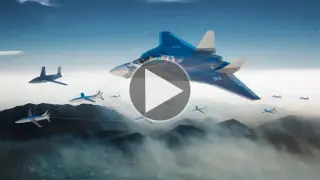
Defense analysts from Breaking Defense and the International Institute for Strategic Studies examined the future trajectory of European military aviation over the coming three decades. The discussion explored whether air forces will prioritize next-generation fighter aircraft, unmanned systems, or hybrid approaches, alongside emerging technologies like laser weapons and advanced electronic warfare capabilities. The debate reflects broader strategic questions facing European nations as they modernize their defense capabilities.
European defense establishments are confronting fundamental choices about how to structure their air forces over the next three decades. The core question centers on whether nations should invest heavily in advanced manned fighter jets, pivot toward unmanned platforms, or adopt a mixed approach combining both capabilities. This decision carries significant implications for military budgets, industrial partnerships, and strategic doctrine across the continent.
Simultaneously, emerging weapons technologies are reshaping what air forces might look like in coming decades. Directed-energy systems such as laser weapons and sophisticated electronic warfare systems represent potential game-changers in air combat. Defense analysts examining these trajectories must weigh the proven capabilities of current platforms against the uncertain promise of revolutionary technologies that may or may not mature into operationally viable systems.
These decisions could significantly influence European defense spending priorities and shape international arms procurement partnerships for years ahead. Nations choosing different technological paths may affect military interoperability among allied air forces, potentially complicating coordinated operations. Additionally, the trajectory chosen could influence European defense industrial capacity and technological autonomy. How countries balance investment between manned aircraft programs and unmanned systems development may also affect military employment patterns and defense workforce needs across participating nations.