Only Female War Crimes Convict from Bosnian Conflict Dies in Belgrade
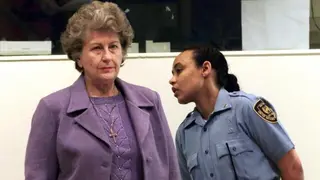
Biljana Plavsic, the sole woman convicted of war crimes by the International Criminal Tribunal for the Former Yugoslavia, has died at age 96 in Belgrade. She served as vice-president of the Bosnian Serb entity Republika Srpska during the 1992-1995 war and was sentenced to 11 years in prison in 2003 for persecution crimes, though she later claimed her guilty plea was strategic and maintained her innocence. After her release in 2009, she lived a quiet life in Belgrade until her death.
Plavsic held significant political authority during Bosnia's brutal conflict, serving first as the Serb representative in the nation's shared presidency before transitioning to leadership roles within Republika Srpska. Her trajectory from academic to wartime administrator reflected the broader pattern of civilian elites ascending to power during the 1990s dissolution of Yugoslavia. Though convicted on persecution charges by the international tribunal, she consistently challenged the legitimacy of her conviction, characterizing her guilty plea as a tactical legal maneuver rather than an admission of culpability.
Her post-release years illustrated the persistent tensions surrounding accountability in post-conflict societies. Living quietly in Belgrade after 2009, Plavsic nonetheless maintained engagement with media outlets aligned with nationalist and pro-government perspectives, suggesting the war's ideological divisions remained unresolved decades after combat ended. Her death marks another milestone in the generational transition away from direct witnesses of the tribunal's major convictions.
The passing of prominent ICTY convicts carries symbolic weight in Balkan societies where interpretations of wartime responsibility remain deeply contested. Her death may intensify existing debates about historical narrative and accountability, particularly given her persistent denial of wrongdoing and selective media engagement. Regional communities affected by 1990s violence could experience renewed engagement with unresolved questions about justice, reconciliation, and how societies memorialize contested historical periods.