Leading smartwatch models across major platforms in 2026
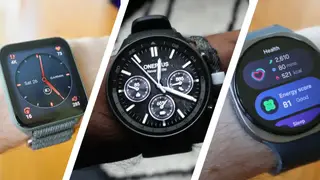
The guide ranks top smartwatch options including the Google Pixel Watch 4 as the overall best choice, with strong alternatives from Samsung, Apple, Xiaomi, and OnePlus for different user preferences. Each model is evaluated across categories like battery life, health tracking, ecosystem compatibility, and value, with options ranging from budget-friendly to premium. The comparison helps consumers find the right smartwatch whether they prioritize fitness features, seamless device integration, or affordability.
The smartwatch market in 2026 encompasses diverse operating systems and price points, allowing consumers to select devices aligned with their existing technology ecosystems. The Google Pixel Watch 4 leads the rankings with its combination of design quality, display technology, and software integration, though it requires a Fitbit Premium subscription for certain capabilities. Alternatives cater to specific needs: Samsung's offering suits Galaxy device owners, Apple's options serve the iPhone user base across multiple price tiers, and specialized manufacturers like Garmin focus on athletic performance metrics.
Battery endurance remains a significant differentiator among models, with options ranging from the Xiaomi Watch 5's extended runtime to the Apple Watch SE 3's more limited capacity. Health monitoring features have become increasingly sophisticated, with manufacturers competing on sensor placement, data interpretation, and user interface clarity. The competitive landscape reflects manufacturers' investments in wearable health technology and their efforts to integrate smartwatches more deeply into broader device ecosystems.
The expansion of smartwatch choices could influence consumer technology spending patterns as buyers weigh ecosystem loyalty against feature preferences and budget constraints. Individuals managing health conditions or pursuing fitness goals may benefit from increasingly specialized tracking capabilities across different brands. However, the proliferation of options and subscription requirements for full feature access could complicate purchasing decisions and create ongoing costs that extend beyond initial device investment.