Declassified Cold War reconnaissance satellite breaks apart in orbit
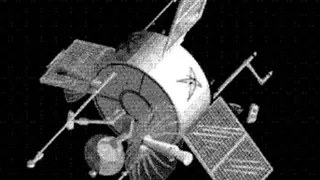
A 38-year-old espionage satellite designated USA-32, part of a classified reconnaissance program from the 1960s onward, recently disintegrated above Earth. The spacecraft, one of several spy satellites codenamed after actresses and tasked with monitoring Soviet communications, had orbited for decades before its September explosion. The incident raises concerns about orbital debris and the consequences of spacecraft degradation at high altitudes.
Program 989 represented a significant Cold War intelligence initiative spanning multiple decades, utilizing orbital platforms to intercept and analyze Soviet communications infrastructure. The satellite series evolved considerably over time—earlier models like RAQUEL and URSULA relied on tape-based data storage requiring retrieval by ground stations, while FARRAH III represented a technological advancement by enabling direct real-time data transmission to military receivers. The spacecraft maintained operational functionality far beyond its designed three-year service window, with observational records indicating active spin until 2021, suggesting robust engineering that ultimately outlasted its original mission parameters.
The 3,000-pound cylindrical satellite was specifically configured to detect radar emissions across the 2–18 GHz frequency band, a spectrum range also serving civilian applications including telecommunications and wireless communications. Its low orbital altitude of approximately 480 miles positioned it strategically for monitoring ground-based systems across the Soviet Union during the final decades of Cold War tensions.
The satellite's fragmentation introduces operational hazards for the orbital environment and active spacecraft in that region. Over 200 active satellites currently operate near FARRAH III's final altitude, including telecommunications infrastructure serving hundreds of companies, creating potential collision risks from debris fragments. The incident may heighten awareness among space operators and policymakers regarding end-of-life spacecraft management and debris mitigation protocols, potentially influencing future satellite design standards and orbital traffic management procedures.