NASA Develops Nuclear Power Systems for Deep Space Exploration Missions
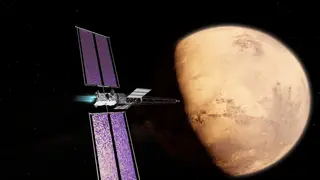
NASA's Space Reactors Division is advancing nuclear power technology for space missions where solar energy is insufficient, with planned deployments to the Moon and Mars beginning in 2028. The agency is developing fission-powered spacecraft and lunar surface reactors to support extended human exploration beyond Earth orbit. Multiple nuclear programs are underway, including radioisotope power systems that have operated for over 60 years in deep space environments.
NASA's nuclear initiatives address a fundamental limitation of solar-based power systems for space exploration. While photovoltaic technology sufficiently supports operations in Earth's vicinity, missions to distant locations—including lunar bases and Mars—require energy sources independent of solar availability. The agency is developing multiple complementary approaches: fission reactors for sustained surface power generation and spacecraft propulsion, alongside radioisotope systems that have demonstrated reliability across decades of deep-space missions.
The agency's timeline targets 2028 for initial deployments, with the Space Reactor-1 Freedom spacecraft serving as a demonstration platform for nuclear-electric propulsion capabilities. Simultaneously, the Lunar Reactor-1 project aims to establish continuous power supply during extended lunar night cycles, enabling sustained human presence at the Moon's South Pole. These parallel programs reflect NASA's strategic focus on establishing independent power infrastructure for long-duration exploration missions.
Nuclear power in space could reshape the feasibility and scope of human exploration beyond Earth orbit, potentially enabling longer mission durations and expanded operational capabilities on the Moon and Mars. The technology may also attract commercial and international partnerships, fostering broader participation in deep-space activities. However, public acceptance, regulatory frameworks, and safety protocols surrounding nuclear systems in space may influence deployment timelines and international cooperation agreements. The effectiveness of these programs could significantly impact the pace and sustainability of human space exploration objectives.