Cave-dwelling dwarf crocodiles documented hunting bats using novel prey capture strategy
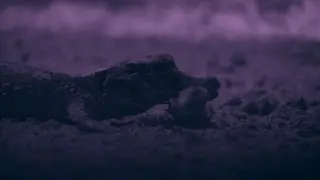
Scientists recorded the first-ever footage of dwarf crocodiles in Gabon's Abanda Caves hunting bats, a behavior previously unknown despite 15 years of field research in these subterranean habitats. The crocodiles, measuring only about 5 feet long, live in total darkness and feed on bat colonies inhabiting the caves. This discovery reveals previously undocumented hunting techniques in a unique underground ecosystem far from the species' typical forest and wetland habitats.
The dwarf crocodile population inhabiting Gabon's Abanda Caves represents a remarkable adaptation to subterranean life. These reptiles, typically associated with surface ecosystems across West and Central Africa, have apparently established themselves in total darkness for potentially thousands of years. The caves themselves present extreme environmental challenges, including navigating through vast accumulations of bat waste that shift between dry, powdery deposits and wet slurries depending on rainfall and seasonal conditions.
The hunting footage captured through remote camera technology finally allowed researchers to understand predation mechanics in this isolated ecosystem. Conservation ecologist Matt Shirley, who had spent 15-16 years studying the population, previously could not observe active hunting behavior because the crocodiles altered their conduct whenever humans entered the caves. This documentation gap highlights how human presence fundamentally disrupts animal behavior in confined underground habitats.
This discovery could advance understanding of reptilian behavioral plasticity and underground ecosystem dynamics, potentially informing conservation strategies for cave-dependent species. The footage may influence how researchers approach wildlife documentation in sensitive underground environments, encouraging development of non-invasive monitoring technologies. Additionally, the finding could enhance scientific appreciation for cryptic populations in remote locations, possibly inspiring expanded biological surveys in understudied cave systems across Africa and beyond.