Launch shortage threatens satellite industry as SpaceX transitions away from Falcon 9
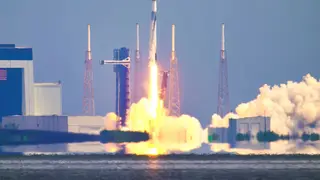
The commercial space industry faces a critical capacity crunch as SpaceX stops accepting Falcon 9 bookings beyond 2028 to focus on its larger Starship rocket, which has uncertain commercial availability. Wait times for satellite launches have ballooned from approximately 12 months to 30-36 months, potentially devastating startup ventures that depend on timely space access. The shortage stems from SpaceX's emphasis on its profitable Starlink constellation and limited competition from other rocket operators.
The commercial space sector has experienced a dramatic reversal in launch accessibility over a single year. Falcon 9 rockets dominated the 2025 launch landscape, completing 165 missions—exceeding all other American rockets combined by a factor of five. However, SpaceX's strategic shift toward developing and deploying Starship, combined with its prioritization of its own profitable Starlink internet constellation, has created an unexpected bottleneck for the broader industry that had grown dependent on affordable launch services.
Geopolitical and competitive factors have compounded the problem. Russia's space launch capabilities, which previously supplied roughly one-fifth of global commercial launch capacity, became unavailable following the 2022 invasion of Ukraine. Meanwhile, potential competitors remain largely grounded: Rocket Lab has not yet flown its larger Neutron rocket, Blue Origin's New Glenn experienced a launch failure, and numerous other developers have not achieved regular flight operations, leaving few alternatives for companies seeking timely orbital access.
The launch shortage could significantly reshape the space technology industry's growth trajectory. Smaller startups and emerging satellite operators may face severe delays or financial strain, potentially stalling innovations in communications, Earth observation, and scientific research. Established companies with existing launch contracts may gain competitive advantages, while new entrants could find market entry prohibitively difficult. The shortage may also affect national space ambitions and private space station development, possibly consolidating industry power among companies with assured launch access or sufficient capital to wait for alternative providers to mature.