Creating Nurseries That Grow With Your Child: Expert Design Tips and Strategies
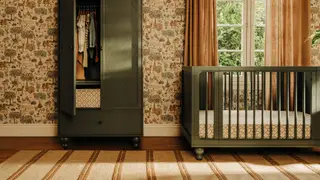
Designer Nate Berkus and other industry professionals offer guidance for creating nurseries that transition gracefully beyond the infant years, emphasizing durable furnishings and timeless design choices rather than trendy temporary solutions. Key recommendations include selecting quality pieces with post-nursery functionality, committing to consistent wood tones, starting with the home's overall aesthetic, and layering lighting for versatility. Berkus's newly launched collection with Babyletto embodies these principles through dark woods, classic silhouettes, and vintage-inspired patterns designed to evolve with children as they grow.
Nate Berkus developed his philosophy on nursery design through personal experience raising two children alongside his three-decade career creating residential spaces. His observations about how children develop distinct preferences for their living environments informed the creative direction of his collaboration with Babyletto, a company specializing in convertible infant furniture. The collection prioritizes design elements that transcend infancy, such as sturdy dressers and bookshelves capable of serving multiple purposes as children mature into adolescence.
Multiple design professionals consulted for the article advocate for similar long-term thinking when furnishing nurseries. Rather than selecting pieces marketed specifically for babies, designers recommend investing in quality furniture with neutral aesthetics and functional flexibility. This approach addresses a widespread pattern where nursery items become obsolete within a few years, ultimately reducing waste and allowing families to maximize their investment in home furnishings.
This article may influence parenting purchasing decisions by reframing nursery design as a long-term investment rather than a temporary phase. Families with various income levels could be affected differently—those with greater budgets may more easily adopt higher-quality pieces, while budget-conscious parents might need to prioritize selectively. The emphasis on timeless design over trendy solutions could potentially reduce consumption of fast furniture, though it may also raise barriers for families seeking affordable entry-level options.