Selecting the Right Multi-Asset Cryptocurrency Wallet: Key Considerations for 2026
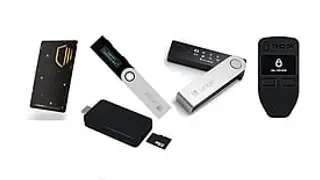
Choosing a cryptocurrency wallet in 2026 requires evaluating blockchain network support, custody options, and security features, as not all wallets support every asset or network despite claims of broad coverage. Major wallet providers like Trust Wallet and MetaMask have discontinued support for certain networks, making it essential to verify current compatibility before transferring funds. Users must also decide between software wallets offering convenience and hardware wallets providing offline security for larger holdings.
The cryptocurrency wallet landscape has undergone significant consolidation in 2026, with major providers reducing rather than expanding their network coverage. Trust Wallet and MetaMask, despite marketing broad compatibility, have both eliminated support for certain blockchains within the past year. This trend underscores a fundamental limitation: wallet providers must balance technical maintenance costs against user demand, making it impossible for any single product to genuinely support every blockchain and token in existence.
The custody model chosen by wallet users carries profound implications for both security and recoverability. Self-custody arrangements grant users complete independence from third-party intermediaries but eliminate any pathway to fund recovery if security credentials are lost or compromised. This trade-off between autonomy and safety risk fundamentally shapes the user experience and suitability for different investor profiles and asset sizes.
Wallet selection decisions could substantially impact retail cryptocurrency holders' financial security and asset accessibility. Users who fail to verify current network support before transferring funds may discover their assets stranded on unsupported blockchains with no straightforward recovery path. Additionally, the growth of self-custody adoption may increase demand for consumer education around key management, potentially straining support infrastructure across the industry. These dynamics could reshape adoption patterns and influence regulatory approaches to wallet provider accountability.