Global Bond Selloff Accelerates as Structural Debt Concerns Mount Worldwide
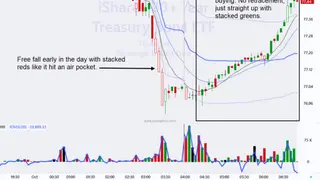
Interest rates have climbed to their highest levels in two decades across major global economies, reflecting structural debt challenges as governments increase borrowing amid slow economic growth and persistent inflation. An analyst suggests the current bond decline may have overshot fundamentally and predicts a capitalization low could occur if employment data exceeds expectations and triggers a more dramatic reversal in Treasury prices. Until such a reversal materializes, equity markets are expected to remain under pressure as rising yields continue to weigh on stock valuations.
Global interest rates have reached their highest point in two decades, driven by substantial government debt issuance across major economies facing sluggish growth and inflationary pressures. Countries like Japan and the United Kingdom, which hold significant U.S. debt, are experiencing particularly challenging conditions with minimal economic expansion paired with climbing borrowing costs. This combination reflects mounting structural imbalances that policymakers have historically managed through short-term measures rather than fundamental reforms.
Market analysts suggest the current bond decline may have overextended beyond what economic fundamentals warrant. Employment data represents a critical catalyst—stronger-than-expected job figures could prompt additional Federal Reserve action, potentially triggering sharper bond price reversals that would establish more stable market support levels. Until such a dramatic repricing occurs, equity valuations may continue facing headwinds from elevated Treasury yields.
Rising bond yields and structural debt concerns could significantly impact borrowing costs for businesses and consumers, potentially restraining economic expansion and job creation. Governments may face pressure to adjust fiscal policies or confront higher debt servicing expenses. Investors across retirement portfolios and pension funds could experience portfolio volatility as asset valuations adjust to new interest rate environments. The interconnected nature of global financial markets means disruption in major economies could have ripple effects on international trade and investment flows.