Cardinals' Harrison Jr. Should Consider Trade as Usage Diminishes
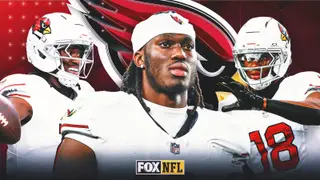
Marvin Harrison Jr., the fourth overall pick in the 2024 draft, has become a non-factor in the Arizona Cardinals' offense through three games this season with just four catches on nine targets. The wide receiver currently ranks as the fifth-most targeted passing option on the team, trailing tight end Trey McBride and receivers Michael Wilson and Kendrick Bourne, despite being drafted as a generational talent. Former NFL receiver T.J. Houshmandzadeh believes Harrison should request a trade to find a situation where his talents are better utilized.
Marvin Harrison Jr. faces a pivotal moment in his NFL career as he struggles to establish himself in Arizona's offensive scheme. Despite being selected fourth overall in 2024, he has fallen behind multiple teammates in receiving opportunities, including tight end Trey McBride and fellow wideouts Michael Wilson and Kendrick Bourne. The Cardinals' recent contract extensions for McBride and Wilson signal the organization's investment in other playmakers, potentially limiting Harrison's role going forward under first-year head coach Mike LaFleur, who was not involved in the initial draft decision.
The performance disparity has reportedly raised questions around the league about whether Arizona might explore trading Harrison before the November deadline. His rookie season showed promise with 62 catches for 885 yards, but his current trajectory has raised concerns about effort and engagement on the field, contrasting with his measured public statements about maximizing limited opportunities.
Harrison's potential trade could reshape receiver market dynamics and influence how teams evaluate top draft picks' long-term value. Such a move might affect team salary cap planning, competitive balance across franchises, and how organizations handle underperforming early selections. For the broader sport, it signals that draft position alone may not guarantee sustained opportunities, which could influence player expectations and contract negotiations. The situation also reflects how coaching changes and offensive philosophy shifts can significantly impact individual player trajectories within organizations.