Supreme Court to Review Trump Administration's Detention Policy and Religious Zoning Restrictions
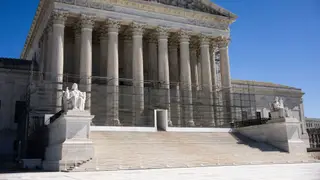
The Supreme Court has accepted three new cases for oral argument in early 2027, including a major immigration matter challenging the Trump administration's practice of detaining undocumented immigrants apprehended within the U.S. without bond hearings. The case, Rhoney v. Barbosa da Cunha, involves whether the administration can apply stricter detention rules to immigrants already in the country rather than those apprehended at the border. The Court will also address disputes over zoning ordinances as applied to religious institutions and federal protections for former spouses of military service members.
The Supreme Court's decision to hear the detention case arrives amid significant disagreement among lower courts about immigration enforcement authority. District judges have ruled against the administration's approach more than 9,300 times since the policy began, while appellate courts have reached conflicting conclusions. The core dispute involves whether a decades-old statute permits the government to hold immigrants already residing in the country without bond determinations, a practice that represents a substantial shift from prior enforcement methods.
The religious zoning case tests the boundaries of a 2000 federal law designed to shield religious organizations from local land-use restrictions. A Kentucky church group seeking to construct a shrine faced residential zoning limitations but initially won local approval. The lawsuit emerged after neighboring residents challenged the project, setting up a Supreme Court examination of how strictly communities can enforce zoning rules against religious construction.
These cases could significantly reshape federal immigration detention standards and religious property rights. The detention ruling may affect thousands of immigrants currently held without bond hearings and influence how immigration officials apply federal law. The zoning decision could either strengthen religious institutions' ability to build in restricted areas or allow communities greater control over local development. Both outcomes would ripple through immigration enforcement and municipal land-use practices nationwide, affecting immigrant advocacy groups, religious organizations, local governments, and neighboring residents alike.