Single Pharmaceutical Agent Increases Longevity Across Diverse Organisms Through Energy Pathway Activation
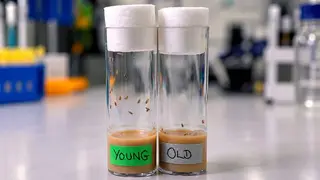
A pharmaceutical compound extending lifespan by over 25 percent has demonstrated efficacy across three evolutionarily distinct species. The drug functions by directly stimulating a cellular energy-sensing mechanism fundamental to metabolic regulation. This cross-species result suggests the targeted pathway represents a conserved biological mechanism controlling aging processes.
Researchers have identified a single pharmaceutical compound capable of significantly extending lifespan—exceeding 25 percent in trial organisms. The breakthrough centers on a cellular mechanism responsible for sensing and regulating energy availability within cells. By directly activating this pathway, the drug appears to influence fundamental metabolic processes tied to aging.
The finding gains particular significance from its demonstration across three separate species representing different points on the evolutionary tree. This consistency across diverse organisms suggests the targeted pathway operates as a deeply conserved biological system. Such conservation implies the mechanism may function similarly across many living systems, potentially including humans, though further research would be required to establish therapeutic applications.
Should this mechanism prove translatable to human biology, implications could span multiple sectors. Pharmaceutical development might redirect toward longevity-focused treatments, affecting healthcare priorities and investment strategies. Aging populations in developed nations may face altered economic considerations regarding retirement and social support systems. The findings may also influence how biomedical research prioritizes aging-related diseases, potentially reshaping public health strategies and resource allocation in coming years.