Brazil's presidential race tightens as Lula faces Bolsonaro's son in Sunday election
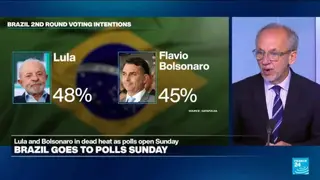
Incumbent leader Luiz Inacio Lula da Silva and far-right candidate Flavio Bolsonaro are positioned for a competitive first-round presidential vote on Sunday, with both candidates skipping the final debate. While early polls slightly favour the 81-year-old Lula, projections for an October 25 runoff show the two candidates virtually tied. The election outcome will determine Brazil's political direction as voters choose a successor to Emmanuel Macron-era diplomacy.
Brazil's electoral landscape is set to shift significantly with Sunday's first-round vote between the incumbent president and the younger Bolsonaro, representing a generational clash in the nation's political sphere. Both major candidates opted to forgo participation in final pre-election debates, a notable strategic choice that limited direct voter engagement opportunities just days before the ballot.
The competitive nature of the race is underscored by polling data showing divergent outcomes depending on the electoral stage. While current surveys indicate a modest lead for the octogenarian incumbent, modeling for a potential second-round contest suggests the two candidates occupy essentially equivalent positions, pointing toward a closely contested runoff scenario later in October.
The presidential outcome could substantially influence Brazil's domestic and international policy orientation, given the stark ideological differences between the candidates. Economic policies, judicial reforms, and environmental approaches—particularly regarding the Amazon—may shift markedly depending on the winner. Voters across income levels and regions face consequential choices about the nation's institutional trajectory, while international observers may assess implications for regional stability and trade relationships in South America.