Oil Shipments Through Hormuz Strait Recover While Refinery Products Remain Scarce
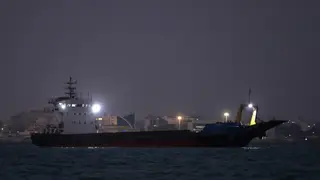
Crude oil transiting the Strait of Hormuz has returned to prewar levels under U.S. Navy escort, reaching 13.5 million barrels daily as of Monday. However, refined product shipments remain at roughly one-fifth of prewar volumes, with gasoline, diesel and jet fuel continuing to face obstacles from tanker owners and insurers reluctant to resume operations. The disparity suggests that while crude transport has stabilized, ongoing regional tensions continue to constrain fuel supply chains.
Crude oil shipments through the Strait of Hormuz have stabilized at prewar levels following a U.S. Navy escort operation that began in late August after clearing suspected mines from shipping lanes. State-owned and long-term charter tankers carrying crude have largely resumed operations, adapting to war-risk insurance costs and security protocols. By contrast, refined fuel products face persistent obstacles, moving at roughly one-fifth of their previous volume due to hesitation among smaller, independent tanker operators reluctant to navigate waters where recent projectile strikes have occurred.
Regional powers have signaled shifting supply strategies. Saudi Arabia, the UAE, and other Gulf producers have increasingly relied on alternative pipeline routes that bypass Hormuz entirely, routing crude through the Red Sea and Gulf of Oman. These pipelines operated near capacity since the conflict began in February and may become the preferred export method long-term, even if strait conditions stabilize.
The disparity between crude and refined product flows may sustain elevated global fuel prices despite apparent corridor stabilization, affecting transportation costs and consumer energy expenses worldwide. Nations dependent on Gulf fuel imports could face prolonged supply constraints and price volatility. The shift toward alternative export routes may permanently alter regional trade infrastructure and geopolitical leverage, potentially affecting U.S. naval strategy and negotiations with regional actors over shipping safety and economic access.