Unexpectedly Cool Exoplanet Reveals Atmospheric Presence Despite Extreme Heat
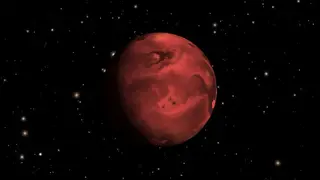
Scientists discovered that the rocky exoplanet HD 3167 b, located 154 light-years away, maintains a measurable atmosphere despite being hot enough to sustain molten rock on its surface. The planet's temperature proved cooler than predicted, suggesting atmospheric gases help moderate surface heat. This finding challenges the expectation that planets in extremely close orbits around their stars would lose their atmospheres to stellar wind and radiation.
The discovery of HD 3167 b challenges conventional planetary science models. Researchers previously believed that rocky worlds in extremely tight orbits—this one completes a full rotation around its star in just one day—would inevitably lose any atmospheric layers to the intense stellar radiation and solar winds at such close distances. The planet's unexpected coolness suggests an active atmospheric layer is redistributing heat away from its permanently sun-facing side, a phenomenon now appearing across multiple ultra-hot exoplanets.
The composition of HD 3167 b's atmosphere remains uncertain. Scientists propose two competing theories: either vaporized silicate minerals from the molten surface create the atmospheric envelope, or more conventional compounds like carbon dioxide and water vapor are present. If the latter proves correct, these scorching worlds could provide unique opportunities for studying rock-atmosphere interactions under extreme conditions unavailable in terrestrial laboratories.
This finding may reshape how scientists predict atmospheric retention on exoplanets, potentially broadening the range of worlds worth studying for habitability clues and atmospheric chemistry. The discovery could influence future space telescope observation priorities and exoplanet characterization strategies. While HD 3167 b itself cannot host life, understanding how atmospheres persist in extreme environments could improve models for assessing distant rocky planets and refine the search for potentially habitable worlds elsewhere in the galaxy.