Verstappen's Strategy Reflects Core Challenge Facing F1 Grid at Malaysian Grand Prix
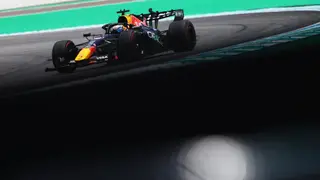
Verstappen skipped a qualifying simulation run due to rain concerns, an approach that aligns with the primary tactical issue teams face this weekend at Sepang. Managing tire thermal degradation over the race distance represents the most significant setup challenge for all competitors. Teams must balance multiple variables to prevent excessive tire wear under Malaysian heat and humidity.
The Malaysian Grand Prix presents teams with a multifaceted technical puzzle centered on tire behavior. Sepang's tropical climate creates demanding conditions where heat and moisture interact unpredictably, forcing engineers to recalibrate vehicle setups compared to other circuits. Verstappen's decision to bypass a practice qualifying simulation underscores how weather unpredictability influences preparation strategies on any given race weekend.
Tire management has emerged as the weekend's defining challenge across the grid. Competing teams must calibrate suspension geometry, downforce levels, and braking balance to minimize rubber degradation while maintaining competitive pace over race distance. This interplay between setup choices and tire performance will likely determine which drivers can sustain performance in the final laps.
F1's technical complexity may reinforce audience engagement among motorsport enthusiasts interested in engineering strategy. Teams' resource allocation toward tire optimization could influence sponsorship visibility and manufacturer competitiveness. Broadcast narratives centered on setup strategy might enhance viewer understanding of racing's scientific dimensions, potentially broadening appeal beyond casual fans to those following technical innovation in motorsport.