Verstappen Sets Pace in Extended Runs as Tire Degradation Emerges as Key Factor
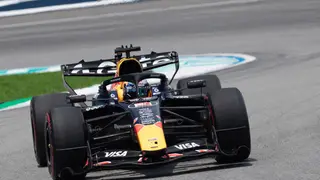
Max Verstappen dominated the extended practice runs at Sepang, establishing himself as a potential title contender for the weekend. Tire wear has emerged as a critical concern for teams preparing their race strategies. Verstappen's strong showing in the longer fuel load simulations suggests he may have found an effective approach to managing the challenging track conditions.
Max Verstappen has demonstrated competitive strength during extended practice sessions at the Sepang circuit, positioning himself prominently ahead of the weekend's racing schedule. The performance metrics from fuel-load simulations—which replicate race conditions more closely than short qualifying runs—indicate he has developed methods to navigate the venue's demanding characteristics effectively.
Tire degradation has surfaced as a central strategic challenge for competing teams. How different compounds wear across the circuit's layout will significantly influence race-day decisions regarding pit stop timing, fuel management, and overall car setup, making durability a decisive element in weekend outcomes.
This development affects Formula 1 stakeholders across multiple levels: teams must adjust engineering approaches based on tire performance data; drivers face elevated pressure to balance speed with vehicle longevity; and broadcasters and sponsors benefit from competitive uncertainty. For motorsport audiences, the emergence of tire wear as a race-determining factor could enhance unpredictability and strategic complexity, potentially making the weekend's competition more engaging depending on how teams ultimately respond to these technical constraints.