Track Surface Deterioration Creates Massive Performance Gap at Sepang
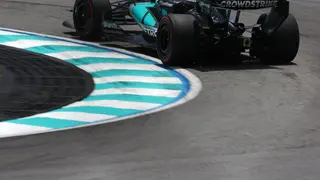
The Malaysian circuit's degraded asphalt surface deteriorated significantly during practice sessions, creating a substantial discrepancy with Pirelli's pre-event performance projections. The track's deterioration was four seconds slower than tire manufacturer simulations had predicted. This unexpected surface condition forced teams to rework their setup strategies throughout the session.
The Sepang circuit in Malaysia encountered unexpected complications during initial practice activities when its racing surface proved substantially more worn than anticipated. Tire engineers from Pirelli had developed performance models based on track conditions that failed to materialize, with the actual asphalt performing four seconds slower per lap than their simulations had projected. This gap between expectation and reality prompted racing teams to reassess their vehicle configurations and setup approaches mid-session as they adapted to the genuinely challenging surface conditions they encountered.
Track surface degradation can significantly affect competitive balance and safety outcomes in motorsport events. Teams with greater engineering flexibility and resources may adapt more effectively to unexpected conditions, potentially widening performance gaps. Spectators and broadcasters could experience altered race dynamics compared to pre-event predictions, while tire manufacturers may need to reassess their analysis methodologies to better account for real-world circuit deterioration patterns.