Election merchandise booms as Brazil prepares for Sunday vote
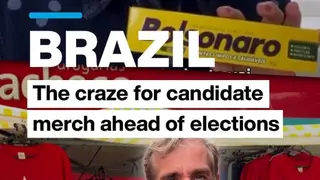
Brazil's general election on Sunday will see nearly 159 million voters choose a new president, MPs, and determine two-thirds of the Senate seats. Vendors are capitalizing on high public enthusiasm, selling merchandise displaying support for incumbent President Lula and challenger Flavio Bolsonaro throughout Rio de Janeiro's streets. Despite secret ballots, Brazilians openly display their political allegiances through branded merchandise.
Brazil's electoral process this Sunday represents a significant democratic moment, with the country's substantial voting population determining leadership across multiple governmental levels simultaneously. The competitive nature of the race between the incumbent and his challenger has energized the public sphere, creating visible political engagement across urban centers.
The phenomenon of merchandise sales reflects broader patterns in contemporary Brazilian politics, where citizens openly express their political preferences through visible symbols and branded items despite the confidentiality of the voting process itself. This commercialization of political support demonstrates how electoral campaigns extend beyond traditional campaigning into everyday consumer culture.
The surge in political merchandise sales could indicate heightened voter engagement and mobilization ahead of the election, potentially affecting turnout levels and campaign momentum. Street vendors and commercial enterprises may experience economic benefits from this enthusiasm. The visible display of political allegiances might also influence social dynamics and political discourse within communities, though the relationship between merchandise sales and actual electoral outcomes remains uncertain and would depend on numerous other factors in Brazil's political landscape.