Google's Pixel 11 Pro notification light gains expanded color and messaging capabilities
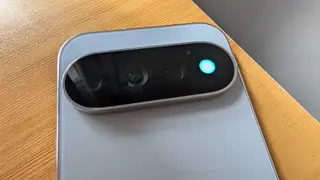
Google's HiLight feature, a notification light embedded in the camera flash of Pixel 11 Pro phones, is set to receive significant upgrades based on code discovered in Android 17 beta. The update will expand the feature's limited current functionality to support messaging notifications and introduce additional color options beyond the current five available shades. These enhancements are expected to roll out later this year through a Pixel Drop update.
Google introduced HiLight as a distinctive hardware feature on Pixel 11 Pro models, positioning a notification light within the rear camera flash assembly. At launch, the feature operated under significant constraints, supporting only two notification categories: incoming calls from favorite contacts and Gemini interactions. The discovery of expanded functionality in Android 17's beta code reveals Google's plans to broaden HiLight's appeal by roughly doubling its color palette and introducing messaging notification support. This suggests the company designed the hardware with future capabilities in mind but delayed software implementation.
The upcoming changes represent a shift toward making the embedded notification system more practical for everyday use. Messaging notifications could prove particularly valuable for travel and lifestyle contexts, where users often need discreet alerts without checking their phones directly. If Google enables third-party app integration similar to its calling feature compatibility with WhatsApp, the feature could become significantly more versatile across different user preferences and communication platforms.
These enhancements could meaningfully improve the utility of a premium phone feature, potentially influencing purchasing decisions for users who value ambient notifications and discreet status indicators. The expanded color options and messaging support may particularly appeal to travelers and professionals who benefit from quick visual feedback without constant screen interaction. However, the feature's impact depends on actual implementation breadth—limiting it to Google's own messaging app would constrain its appeal compared to broader third-party integration. The delayed rollout through year-end updates may affect how quickly users experience these improvements.