Innovative phone privacy displays come with visual quality trade-offs manufacturers should address
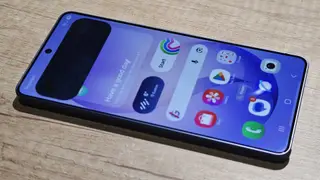
Privacy screen technology represents one of the few genuine hardware innovations in recent smartphone development, allowing users to prevent viewing from adjacent angles. However, phones like the Galaxy S26 Ultra that integrate this feature into the display itself suffer from compromised image quality, including reduced brightness, poor viewing angles, and fuzzy text that affects the overall user experience. The author argues manufacturers should offer privacy displays as optional upgrades rather than mandatory features to avoid forcing users to accept degraded visuals.
Privacy screen technology functions by altering how display pixels operate to prevent side-angle viewing, a shift that introduces unavoidable technical trade-offs. The Galaxy S26 Ultra's integration of this feature directly into the display panel resulted in user complaints about diminished brightness levels, degraded color reproduction at various angles, and reduced text clarity—issues that persisted even when the privacy function remained disabled.
The author notes that integrated privacy displays represent a meaningful advancement in smartphone hardware after years of incremental improvements in other areas. However, this innovation's implementation raises questions about whether users should be required to accept performance compromises for features they may not require or desire.
This development affects smartphone consumers across multiple segments—from business professionals concerned with data confidentiality to casual users with no privacy display needs. If manufacturers proceed with mandatory integration, users face a choice between accepting visual quality reductions or switching brands entirely. Alternatively, offering privacy displays as optional upgrades could preserve consumer choice while allowing interested buyers to pay for enhanced privacy features, potentially establishing a market model that balances innovation with individual preferences across the premium device category.