Samsung's Massive Tablet Falls Short as Laptop Replacement Despite Hardware Promise
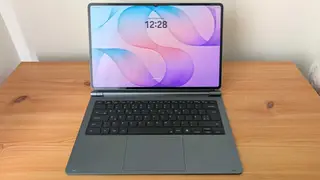
The Galaxy Tab S12 Ultra features a 14.6-inch display and keyboard attachment that physically resemble a laptop, but its Android operating system severely hampers productivity. Apps like Slack and Outlook display phone-optimized interfaces rather than tablet layouts, creating inefficient workflows with excessive wasted screen space. The device demonstrates Samsung's ongoing struggle to deliver tablet-appropriate software despite high-end hardware.
Samsung's latest flagship tablet arrives with a detachable keyboard and a display larger than many conventional laptops, positioning it as a viable alternative to traditional computing devices. The device pairs premium hardware specifications with Android's mobile-first operating system, creating a fundamental mismatch for professional workflows. Key productivity applications fail to provide desktop-appropriate interfaces, forcing users to resort to web browsers or abandon standard tools entirely, while features like multitasking remain optimized primarily for touch rather than keyboard-and-trackpad interaction.
This product review highlights a persistent challenge in the tablet market: hardware capabilities have advanced significantly, yet software ecosystems remain fragmented between mobile and desktop experiences. Professionals considering high-end tablets as laptop alternatives could face unexpected productivity losses, potentially steering investment toward established laptop platforms instead. The outcome may influence how manufacturers prioritize software optimization alongside hardware development, while also shaping consumer expectations about what constitutes a genuine laptop replacement versus an oversized mobile device.