EU official warns of critical defense vulnerabilities as European security deteriorates amid Russian tensions
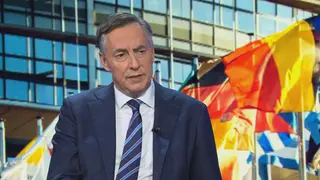
The chair of the European Parliament's Foreign Affairs Committee has warned that Europe must develop independent military capabilities and close critical defense gaps by decade's end to reduce reliance on American support. He characterized current EU-Russia relations as existing in a tense state between war and peace, citing frequent airspace violations, infrastructure attacks, and cyberattacks. McAllister identified specific military deficiencies including ammunition shortages, anti-drone systems, satellite intelligence, and air defense capabilities that require urgent investment.
David McAllister chairs the European Parliament's Foreign Affairs Committee and has become a prominent voice advocating for European military independence. His warnings stem from what he characterizes as an intensifying pattern of hostile Russian actions, including repeated airspace incursions, strikes targeting civilian infrastructure, and organized cyberattacks across EU member states. The Leipzig airport drone incident, attributed to Russian operations, prompted unified EU solidarity responses and renewed calls for stronger critical infrastructure protections.
The defense capability gaps McAllister identifies reflect decades of European reliance on American military systems and support. Shortfalls in ammunition production, counter-drone technology, independent satellite reconnaissance, air-to-air refueling capacity, and integrated air defense systems suggest that European nations individually and collectively lack autonomous operational capacity in several critical military domains. Addressing these deficiencies requires both increased defense spending and coordinated procurement strategies among member states operating under different national defense frameworks.
McAllister's assessment could influence EU budget negotiations and defense spending priorities over the next decade. Member states may face pressure to increase military expenditures while simultaneously addressing concerns about reduced funding for regional development and social programs. The tension between defense investment demands and other budget priorities could shape political dynamics within the EU, particularly affecting smaller nations dependent on cohesion funding and those already experiencing economic constraints. Public support for higher defense spending may vary significantly across Europe's diverse political landscape.