EU Warns Russian Attack on European Weapons Plants Would Invoke NATO Collective Defense
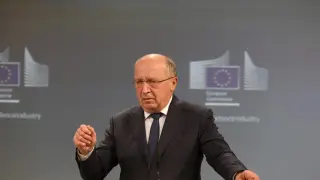
EU Defense Commissioner Andrius Kubilius stated that any Russian military strike on a weapons manufacturing facility in Europe would activate NATO's Article 5, the collective defense provision binding all alliance members to mutual protection. His statement came in response to Russia's Foreign Ministry warning that European factories producing arms for Ukraine could become legitimate military targets. The escalating rhetoric highlights rising tensions over Western military support flowing to Ukraine through NATO territory.
The confrontation reflects deepening tensions over Western military assistance to Ukraine. Russia has increasingly characterized weapons shipments and intelligence sharing from NATO members as direct participation in the conflict rather than support to a third party. This rhetorical shift carries strategic weight, as Moscow signals its willingness to extend military operations beyond Ukraine's borders if provoked.
Kubilius's invocation of Article 5 represents a calculated EU response designed to establish clear deterrence. However, his comments have created diplomatic friction within NATO itself, with alliance officials questioning whether individual EU commissioners can authoritatively interpret collective defense obligations. The ambiguity highlights ongoing debates about NATO's scope and the boundaries of military support to Ukraine.
This escalating rhetoric could significantly influence NATO's strategic posture and military aid calculations. European governments and manufacturers may recalibrate security measures or restrict operations, potentially affecting Ukraine's weapons supply chain. Conversely, the mutual defense warning may deter Russian action against NATO territory. The dispute over Article 5's applicability could strain transatlantic unity if member states disagree on what constitutes an attack warranting collective response, complicating future crisis management.