Brazil's Upcoming Election Will Shape Diplomatic Relations with Major Powers
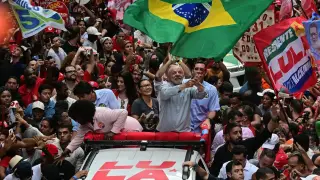
Brazil faces a closely competitive presidential race between incumbent leftist President Lula and right-wing challenger Flávio Bolsonaro, with results expected to significantly impact the country's foreign policy alignment. The election carries major implications for Brazil's relationships with both the United States and China, as well as domestic governance. The contest represents a continuation of political polarization stemming from the 2022 election and the imprisonment of former President Jair Bolsonaro.
Brazil's October 4 election represents a consequential rematch between competing political visions. Incumbent President Lula seeks his fourth term, while his opponent is Senator Flávio Bolsonaro, son of the imprisoned former president who attempted to overturn the 2022 election results. The race reflects deep divisions that have characterized Brazilian politics since Bolsonaro's 2018 rise to power, with voters once again choosing between leftist and right-wing governance models.
The election outcomes could substantially reshape Brazil's international positioning. Lula's administration has delivered measurable improvements in living standards, including historic low unemployment rates and significant poverty reduction through expanded social programs. Additionally, environmental policy represents a major divergence between the candidates, particularly regarding Amazon deforestation rates and Brazil's role in addressing climate concerns—issues with global implications for how the country manages its natural resources and climate commitments.
The election's results may significantly influence Brazil's geopolitical alignment and domestic economic trajectory. A Lula victory could reinforce existing partnerships and social welfare commitments, while a Bolsonaro victory might shift Brazil's foreign policy orientation. For Brazilian citizens, the outcome could affect employment opportunities, poverty levels, and access to social safety nets. Internationally, the election may impact environmental protection efforts and Brazil's relationships with major trading partners and strategic allies, affecting broader regional stability and climate policy coordination.