Major Economies Tap Emergency Oil Reserves to Combat Soaring Fuel Costs
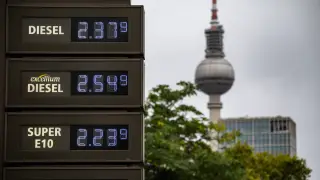
The Group of Seven nations announced plans to release 100 million barrels of diesel and crude oil from strategic reserves over four months, aiming to address escalating global fuel prices. The coordinated effort, which represents roughly one day of worldwide oil consumption, includes an accelerated release of substantial diesel quantities within the next three weeks. The move follows U.S. pressure on European nations, with the Trump administration threatening to restrict American diesel exports if allies failed to contribute from their own emergency stockpiles.
The seven industrialized democracies coordinated their response to address energy market instability that has driven fuel prices to unprecedented levels globally. The arrangement reflects geopolitical tensions, as G-7 members cited Iran's regional aggression and trade disruption as contributing factors to energy volatility. The accelerated timeline for diesel releases—with substantial quantities flowing within three weeks—signals urgency among participating nations to stabilize markets quickly.
Europe faced particular pressure given its dependence on imported diesel supplies. With half of Europe's August diesel imports originating from the United States and China simultaneously restricting its exports, the continent had limited alternatives. This vulnerability prompted European leaders to align with the coordinated reserve release strategy rather than resist American demands.
This coordinated reserve release could influence global fuel markets by temporarily increasing supply and potentially moderating prices at consumer level. Motorists and businesses dependent on diesel may experience relief, though the impact's magnitude remains uncertain given that 100 million barrels represents only one day of worldwide consumption. Politically, the move may affect voter sentiment regarding economic management before elections, while internationally it demonstrates both the leverage wielded by major economies and the interdependencies that constrain independent energy policy decisions.