GOP Strategist Warns Texas Attorney General Paxton's Senate Bid Depends on Accepting Debate Challenge
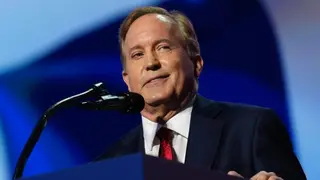
Republican strategist Karl Rove stated that Texas Attorney General Ken Paxton must participate in a debate with his Democratic opponent, state Rep. James Talarico, or risk losing his Senate race. Rove suggested Paxton could counter Democratic attacks by highlighting his acquittal in the state Senate following his 2023 impeachment on corruption charges. Recent polling shows Paxton trailing Talarico by 2 points despite President Trump's strong performance in Texas.
Karl Rove's assessment highlights a critical strategic vulnerability for Paxton in his Senate campaign. The Republican attorney general has not participated in a debate for 16 years, according to Democratic strategist David Axelrod's commentary, suggesting a pattern of avoidance. Rove contends that Paxton's path to victory requires directly confronting his record, particularly his 2023 impeachment on corruption allegations and subsequent acquittal by the state Senate—issues likely to dominate any debate with Democratic opponent James Talarico.
The polling data underscores Paxton's precarious position despite Texas's traditional Republican lean. A September Fox News survey showed him trailing Talarico by 2 points among registered voters, with a notably larger gap in favorability ratings where Talarico holds an 8-point advantage while Paxton registers 18 points underwater. Even President Trump's endorsement and campaign visits have not substantially reversed these dynamics, with Trump himself acknowledging Paxton as "a little controversial."
This race could significantly influence Texas Senate composition and Republican messaging strategies. Voters may face a choice between a candidate with legal vulnerabilities and one positioning himself as an alternative. The outcome could affect how party strategists evaluate debate participation as a campaign tactic, and may shape public perception of judicial accountability in state politics. How candidates address past legal proceedings may also influence voter engagement in other contested races nationwide.