Trump Plans Appearance at Major College Football Game as Part of Midterm Campaign Push
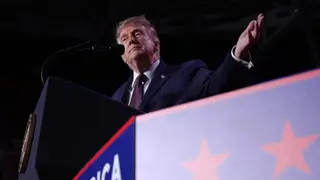
President Trump announced plans to attend the Georgia-Alabama football game scheduled for October 10 in Tuscaloosa, continuing his schedule of public appearances while campaigning for Republican candidates ahead of the midterm elections. Trump made the announcement during a rally in Mobile, Alabama, as part of his multistate campaign tour. The appearance will be Trump's second college football game attendance in recent weeks, following his visit to a Texas-Tennessee matchup.
Trump's attendance at the Georgia-Alabama matchup represents part of a broader campaign strategy to leverage high-profile public events for midterm messaging. The selection of major college football games, particularly those featuring top-ranked teams, provides significant media visibility and opportunities to address supporters in key electoral states. His recent sports attendance spans multiple venues and events, suggesting a deliberate effort to maintain a visible public presence across varied platforms during the campaign season.
The timing and location of these appearances concentrate on battleground regions critical to Republican performance in upcoming elections. By attending events in states like Alabama and Georgia, Trump maximizes exposure among target voter demographics while maintaining campaign momentum across multiple weeks. This approach combines entertainment value with political organizing, allowing campaign messaging to reach audiences in informal social settings rather than through traditional rally formats alone.
Trump's visibility strategy at sporting events could influence voter engagement and media coverage during the midterm period. Such appearances may affect how political messaging reaches audiences less focused on traditional campaign events, potentially shaping voter attitudes in competitive districts. However, the actual electoral impact of celebrity attendance at sports events remains debated among political analysts, with effects likely varying by region, demographic group, and existing voter preferences.