Federal Charges Filed Against Students for Threatening President Trump
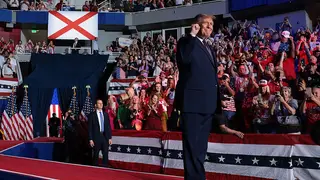
Three University of South Alabama students were arrested and charged federally with threatening President Trump through social media posts made ahead of his campaign rally on the Mobile campus. Federal investigators identified the individuals after discovering threatening social media content during intelligence searches conducted before the president's visit. One student allegedly made a threatening remark on TikTok, while another referenced the shooting death of conservative activist Charlie Kirk at Utah Valley University.
Federal law enforcement conducted proactive social media monitoring before Trump's October 2026 campaign event at the University of South Alabama's Mitchell Center. Using emergency disclosure requests and coordination with campus police, investigators identified three students who had posted concerning content across multiple platforms in the days preceding the rally. The timing proved critical—the charges were unsealed just hours before the president's scheduled appearance, allowing the event to proceed as planned.
The case reflects broader security protocols surrounding high-profile political visits. University officials emphasized their distinction between protected political speech and unlawful threats, noting that while the rally used their facilities, it was organized by the Republican National Committee rather than the institution itself. The incident occurred within a national context of increased scrutiny regarding online threats targeting political figures.
This case highlights the tension between protecting public figures and safeguarding free expression rights. Federal agencies' enhanced social media monitoring may deter some threatening behavior but could raise civil liberties questions about surveillance scope and scope creep. Campus communities may face increased pressure to balance security measures with maintaining open environments for political discourse. The prosecutions could influence how universities, law enforcement, and social media platforms coordinate on threat assessment during high-profile events.