Washington Expresses Skepticism Over Trump's Self-Policing AI Industry Agreement
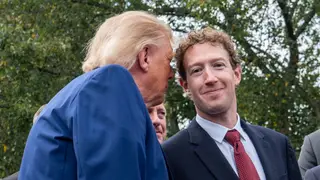
The Trump administration announced a voluntary artificial intelligence accord signed by major tech companies featuring internal controls, external audits, and board oversight mechanisms to govern AI development. Despite the administration framing the agreement as a meaningful step, lawmakers and experts including some Republicans expressed doubt about whether industry self-regulation adequately addresses AI safety risks without formal government oversight. Critics argued that while the accord represents progress, additional regulatory measures may be necessary to prevent potentially dangerous AI development scenarios.
The Trump administration's AI accord establishes a framework requiring participating technology firms to implement four distinct oversight mechanisms: internal governance structures for model management, designated teams to enforce compliance, independent external auditing arrangements, and board-level committees to monitor implementation. Despite the administration's optimistic framing, the agreement's voluntary nature prompted concern among policymakers across the political spectrum about its enforceability and adequacy. The accord represents one of the administration's primary policy approaches to AI governance in the absence of comprehensive federal legislation.
The voluntary nature of this accord may significantly affect how artificial intelligence develops commercially in the coming years. Tech companies gaining clarity on governance expectations could accelerate responsible development practices, while skeptics contend that self-regulation may prove insufficient if enforcement mechanisms lack teeth. Policymakers, industry stakeholders, and the public could all experience consequences depending on whether internal audits and board oversight adequately prevent harmful AI deployment scenarios—an outcome that remains uncertain without formal regulatory authority backing compliance measures.