Interactive Quiz Reveals Varying State Requirements for Launching a Private School
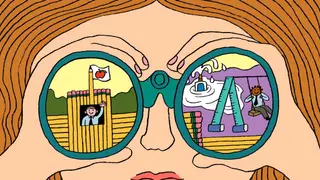
ProPublica created an interactive quiz that demonstrates the significant variation in state regulations governing private school establishment across the country. The tool highlights how hundreds of new private schools have emerged nationally in recent years, supported by increased public funding mechanisms for student tuition. The quiz illustrates that while some states impose teacher certification and background check requirements, many states impose virtually no restrictions on school founders themselves.
The regulatory landscape for private school creation has become increasingly fragmented across the United States. While certain states maintain robust oversight mechanisms—requiring educators to demonstrate proper credentials and pass security screenings—others have adopted a largely hands-off approach that places minimal restrictions on who may establish an educational institution. This variation reflects broader divergences in state education policy philosophies.
The expansion of private schooling has accelerated alongside shifts in school funding mechanisms, particularly those directing public dollars toward private tuition assistance. This financial infrastructure has lowered barriers to entry for prospective school founders, contributing to the emergence of numerous new institutions nationwide. The quiz tool developed by the news organization serves to visualize these regulatory differences.
This variation in oversight standards could significantly affect educational access and quality across regions. Students and families may face markedly different assurances regarding educator qualifications and institutional accountability depending on their state's regulatory framework. Additionally, the disparity may influence how education dollars are allocated and overseen, potentially affecting public school systems while enabling entrepreneurs with limited education experience to establish schools. The story may prompt policymakers to examine whether current regulatory approaches adequately protect students.