Campaign Finance Emerges as Major Issue With Seven Ballot Measures Across Six States
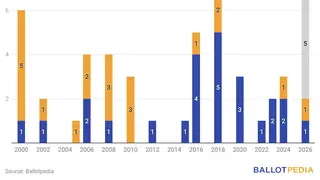
Six states are placing seven campaign finance ballot measures before voters in 2026, matching 2018 for the most such measures in a single year since 2000. Missouri voters already rejected a measure on August 4 that would have restricted foreign spending on ballot measures and changed the state's initiative process, while Alaska voters approved a measure on August 18 capping campaign contributions at various levels. The remaining five measures will appear on November 3 ballots in Alaska, Arizona, California, Michigan, and Montana, with Alaska's Measure 2 notably proposing to repeal the state's ranked-choice voting system.
Campaign finance regulation has become a recurring focus of voter decision-making across multiple election cycles. The 2026 ballot measures reveal diverse regulatory approaches: some states seek to restrict foreign involvement in elections, others aim to limit contribution amounts, and still others debate transparency requirements for political donations. Alaska's measures present a particular contrast, with voters approving stricter contribution caps in August while simultaneously facing a November question about eliminating disclosure rules for certain donation sources.
The legislative origins of these measures vary significantly by state. Some proposals originated through the state legislature itself, particularly those addressing foreign national participation, while others emerge from broader policy debates about campaign spending limits and public financing models. These differing pathways reflect ongoing disagreement among elected officials about appropriate campaign finance regulation.
These ballot measures could reshape how political campaigns operate in participating states by altering contribution rules, disclosure requirements, and eligibility standards. Voters, candidates, and political organizations may experience changes in fundraising practices and campaign spending. The outcomes could also influence how other states approach similar issues, potentially establishing regulatory precedents. Results may affect political participation rates and the role of various funding sources in future elections.