French high school strikes escalate as students demand better conditions
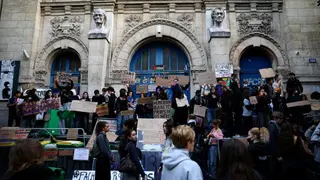
Student protests at French high schools have intensified into violence as demonstrators demand the hiring of substitute teachers, increased funding, and improved learning conditions, with over 400 schools closed across the nation. The unrest reflects growing frustration among students over educational resource shortages and employment gaps in the school system. Police clashes with protesters have marked the escalation of what began as peaceful demonstrations.
France's educational system is experiencing significant disruption as secondary school students have mobilized nationwide to address systemic resource constraints. The demonstrations reflect broader concerns about staffing inadequacies, particularly regarding temporary teaching positions, alongside insufficient institutional funding that impacts the overall quality of education. The scale of the movement—affecting hundreds of schools across the nation—indicates that these grievances are widespread rather than isolated to individual institutions.
The situation has escalated beyond peaceful assembly into confrontational encounters between demonstrators and law enforcement. This intensification suggests rising tensions between student demands and institutional or governmental responses to their concerns about educational infrastructure and employment practices within the school system.
These protests could have ripple effects across France's social and political landscape. Students and families experiencing educational disruptions may pressure government officials to address funding and staffing shortages, potentially influencing education policy decisions. Prolonged unrest might affect academic progression and create longer-term consequences for affected students' educational trajectories. The incident also reflects generational frustrations about institutional responsiveness, which may influence broader public discourse around education policy in Europe.