Compact Home Security Camera Balances Basic Features with Practical Monitoring Capability
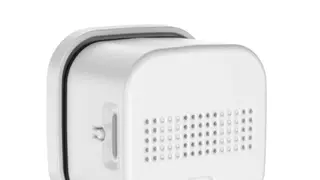
The K13 is a 2MP WiFi security camera that prioritizes essential monitoring features over advanced specifications, offering 1080P Full HD video, infrared night vision, AI motion detection, and two-way audio in a compact design. Rather than competing with high-end 4K systems, the camera targets households seeking straightforward indoor surveillance without premium pricing. Its combination of features makes it suitable for monitoring rooms, entrances, and common areas where detecting presence and activity matters more than capturing fine detail.
The K13 exemplifies a market segment focused on practicality rather than technical maximization. Its 2MP sensor and 1080P capability represent deliberate design choices targeting users who prioritize monitoring activity and presence detection over capturing minute details from distance. The inclusion of infrared night vision, AI-powered motion detection, and bidirectional audio suggests the manufacturer anticipated common household surveillance scenarios—tracking movement in occupied spaces, monitoring entries, and enabling real-time communication.
Wide-angle lens design addresses a often-overlooked installation challenge: camera placement flexibility. By expanding field-of-view coverage from a single position, users may reduce the number of devices needed for basic room monitoring. This approach trades raw resolution for practical coverage efficiency, making it relevant for apartments, small homes, or budget-conscious installations where multiple high-end cameras prove impractical.
The K13's emphasis on essential features over premium specifications could influence purchasing patterns among cost-sensitive households and renters seeking temporary monitoring solutions. As home security becomes more accessible at lower price points, consumer expectations around what constitutes "adequate" surveillance may shift, potentially affecting how security systems are marketed and evaluated. This democratization of basic monitoring technology might increase adoption in price-sensitive markets while reshaping how manufacturers position feature sets against competitor offerings.