Budget Smartwatch Emphasizes Extended Battery Life and Practical Daily Functions
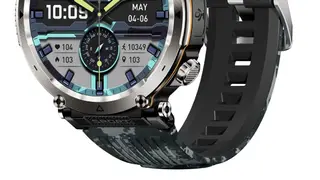
The HT30 smartwatch prioritizes battery longevity and usable screen real estate over premium features, combining a 1.7-inch display, 600mAh battery lasting 5-7 days, and practical functions like a built-in compass and floodlight. Its larger-than-typical case provides a spacious IPS display that improves readability without the power demands of AMOLED technology. Health monitoring features are positioned as reference tools rather than medical-grade measurements, and the watch is designed for everyday utility rather than water sports.
The HT30 represents a design philosophy that reverses typical smartwatch priorities. Rather than chasing thinness or cutting-edge display technology, manufacturers have allocated internal space to a substantial power cell, accepting a thicker profile as a practical trade-off. This approach addresses a genuine user frustration: frequent charging cycles that interrupt continuous wear and sleep tracking. The choice of IPS over AMOLED reflects a similar pragmatism—accepting slightly less vivid visuals in exchange for lower power consumption and lower production costs.
The device's practical features underscore its positioning as a utility tool. The inclusion of a compass and built-in floodlight alongside standard fitness tracking suggests the watch targets users prioritizing functionality over prestige. Manufacturers have also been transparent about limitations, explicitly positioning health metrics as reference data rather than clinical-grade measurements and restricting the device to splash resistance rather than swimming capability.
This product may appeal to users frustrated by daily-charge smartwatch cycles or those seeking straightforward functionality over premium features. The approach could influence how manufacturers balance form factor with battery capacity, potentially reshaping consumer expectations around wearable endurance. For budget-conscious buyers, extended battery life might outweigh access to advanced health monitoring or waterproofing. However, the device's practical positioning rather than fitness-focused marketing suggests it targets general consumers seeking reliable daily wear rather than athletes or health-conscious power users.