Bipartisan Energy Permitting Reform Advances Amid Environmental Concerns
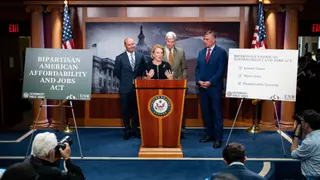
A bipartisan Senate proposal aims to streamline permitting for large energy and infrastructure projects, particularly to address delays in connecting clean energy facilities to the electrical grid. While clean energy advocates view the measure as essential for accelerating the transition away from fossil fuels, some environmental groups worry it could weaken protections for state and tribal governments and enable fossil fuel projects to benefit from the expedited process. The bill faces the typical compromise dynamics of bipartisan legislation requiring 60 Senate votes.
The proposed legislation addresses a significant infrastructure challenge: renewable energy projects face extended delays waiting to connect to the electrical grid, slowing the clean energy transition. The bill emerged from negotiations among key Senate figures on climate issues, including a ranking Democrat from the Environment Committee, reflecting recognition across party lines that permitting timelines represent a genuine bottleneck to energy infrastructure development.
The compromise nature of reaching 60 Senate votes necessarily means the measure contains provisions that satisfy multiple stakeholder interests. This dynamic—where climate advocates support certain elements while environmental groups express reservations about others—reflects the inherent trade-offs required when legislation needs broad bipartisan support rather than advancing a single ideological agenda.
The bill's passage could substantially accelerate renewable energy deployment by removing procedural barriers that currently constrain grid connections. However, its effects on different stakeholders may vary significantly: some environmental organizations fear weakened protections could enable fossil fuel infrastructure to exploit streamlined processes, while clean energy developers anticipate faster project timelines. The outcome may ultimately depend on how the legislation's implementing details balance development speed against regulatory safeguards valued by states, tribal governments, and conservation advocates.