Intense rainfall triggers deadly flash floods and mass rescue operation in Spanish town
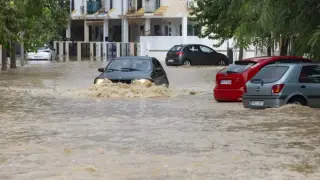
A severe rainfall event dumped over 140 millimeters of water in roughly two hours across Madrigueras, Spain on October 2, resulting in one fatality and forcing emergency personnel to rescue approximately 90 people from flooded homes. The rapid runoff through normally dry drainage channels compounded the flooding, with water levels exceeding one meter in some structures and causing four homes to collapse. Recovery operations continued on October 3 with multiple agencies clearing debris, removing vehicles, and assisting residents across the affected municipality.
The flooding in Madrigueras resulted from a combination of meteorological and geographical factors. A weather system bringing cold air into the upper atmosphere while moisture moved inland from the Mediterranean created unstable conditions. The concentrated downpour overwhelmed the town's drainage infrastructure, with water flowing through normally dry channels and from higher elevations, multiplying the destructive force after the heaviest precipitation ended.
Regional officials anticipated continued severe weather across broader areas through early October, with forecasts indicating potential rainfall exceeding 200 millimeters in some coastal provinces. The designation of a disaster area would enable residents and property owners to access state financial assistance for recovery, as local infrastructure sustained considerable damage requiring extensive cleanup and reconstruction efforts.
Flash flooding events of this magnitude could strain municipal emergency response systems and overwhelm healthcare facilities, as occurred when Madrigueras' health center required temporary relocation. The loss of housing and vehicles may displace residents and create economic hardship for weeks or months. Repeated extreme precipitation in already saturated regions may compound future flood risks, affecting agricultural productivity and infrastructure investment priorities across the affected municipalities and potentially straining disaster-response resources regionally.